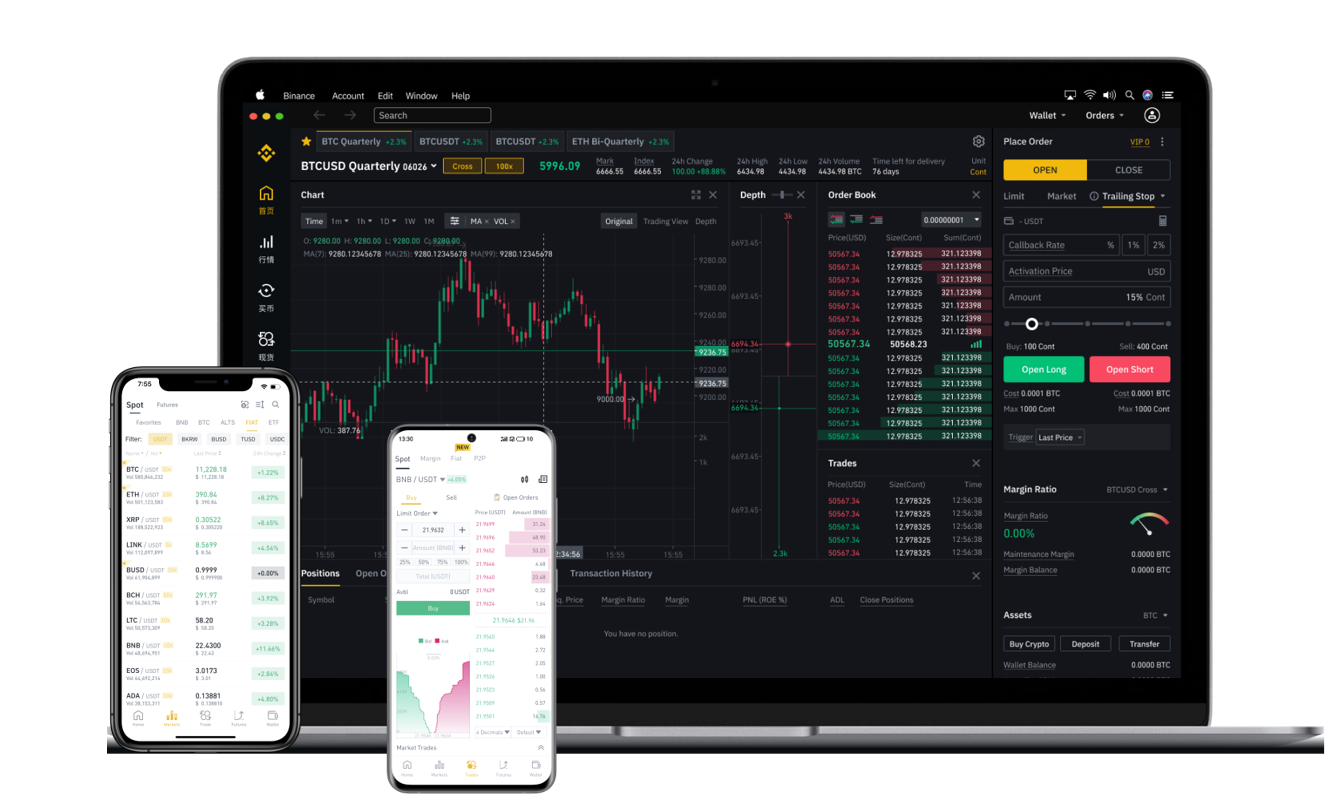

In recent weeks, speculation has swirled around the possibility that tech billionaire Elon Musk might attempt to acquire Binance, the world's largest cryptocurrency exchange by trading volume. While neither Musk nor Binance CEO Changpeng Zhao has confirmed such talks, the rumor has sparked intense debate among traders and investors. If this scenario were to materialize, it would represent one of the most dramatic consolidations in the history of digital finance. But for the average user, the immediate question is: how would you actually use Binance if Musk owned it?
First, it is essential to understand that Musk's business playbook—evident from his acquisitions of Tesla, SpaceX, and most recently Twitter (now X)—is built on decentralization of access, rapid feature iteration, and a strong personal brand. If Musk were to take control of Binance, the platform's core functionalities—spot trading, futures, staking, and withdrawals—would likely remain, but the interface and underlying philosophy could shift dramatically. Users might see a consolidated login system linking their Binance account to an X (formerly Twitter) profile, allowing seamless authentication and real-time portfolio visibility within the same ecosystem.
From a practical standpoint, using a "Musk-owned Binance" would probably mean adapting to new fee structures. Musk has historically favored micro-transactions and subscription models. For instance, he introduced paid verification on X and hinted at tokenizing content. On a trading platform, this could translate into reduced maker-taker fees for high-volume traders who hold a certain amount of the exchange’s native token (likely BNB or a newly branded Musk-tied asset) in their wallets. Retail investors, however, might encounter new service tiers where basic spot trading remains free, but advanced features—like margin, futures, or AI-driven trading bots—require a monthly subscription.
Another major change would likely be the integration of Dogecoin. Musk has been a vocal supporter of Dogecoin, and his companies have accepted it for merchandise. Under his leadership, Binance could make Dogecoin a primary settlement currency—or even introduce a "Doge-based" trading pair for every major asset. Users would then need to hold some DOGE not just for fun, but for utility, such as paying exchange fees or unlocking premium data analytics. This would fundamentally alter the liquidity dynamics for altcoin traders, forcing them to manage a multi-currency wallet with Dogecoin as a frequent intermediary.
Security and transparency would also undergo a significant shift. Musk has often criticized centralized platforms for lacking proof of reserves. Following the FTX collapse, Binance began publishing wallet addresses to demonstrate solvency, but a Musk-led exchange might push this further. Users could see real-time, verifiable "Merkle tree" audits integrated directly into their account dashboard. Additionally, Musk’s well-known stance on free speech might lead to a more open platform policy: instead of strict KYC (Know Your Customer) requirements in certain regions, the exchange could rely on decentralized identity verification—perhaps through biometrics or self-custody wallets registered on the X platform.
Lastly, how you withdraw funds could change. Musk has championed the idea of a "universal payment system." If Binance falls under his umbrella, withdrawing crypto to external wallets might remain straightforward, but fiat on-ramps and off-ramps could be tied to a newly integrated payment layer—possibly using stablecoins issued on the X platform or via a dedicated banking partnership. Users in supported countries might see "instant withdrawal to your X wallet" as a standard option, allowing them to send digital dollars to friends or pay for Tesla products directly from their exchange balance.
In summary, the idea of Elon Musk buying Binance is still speculative, but if it happens, the user experience would not simply be "Binance with a new logo." It would likely blend the exchange’s existing liquidity and instrument depth with Musk’s vision of tightly integrated social-financial platforms, Dogecoin-heavy economics, and radical transparency. For current Binance users, the path forward would involve embracing cross-platform accounts, learning new token utility models, and staying prepared for a fully interconnected crypto-commerce experience.