
For users diving into the world of cryptocurrency, one of the most common questions revolves around the withdrawal process. Whether you are using Binance, or exploring the other two major exchanges often grouped with it—such as Coinbase and Kraken—understanding how to properly cash out your digital assets is crucial. This guide will walk you through the standard procedures for withdrawing funds from these top-tier platforms, ensuring your transaction is both secure and efficient.
First, it is essential to distinguish between withdrawing cryptocurrency (like Bitcoin or Ethereum) and withdrawing fiat currency (like USD or EUR). While the core steps share similarities, the end destination of your funds varies.
Step 1: Confirm Your Account Security Before initiating any withdrawal, all major exchanges require robust security verification. This includes having Two-Factor Authentication (2FA) enabled. On Binance, specifically, you will need to link a phone number or an authenticator app. For Coinbase and Kraken, similar security layers apply. Log in to your account and ensure all KYC (Know Your Customer) documents are approved. Without Level 2 or higher verification, withdrawal limits will be severely restricted.
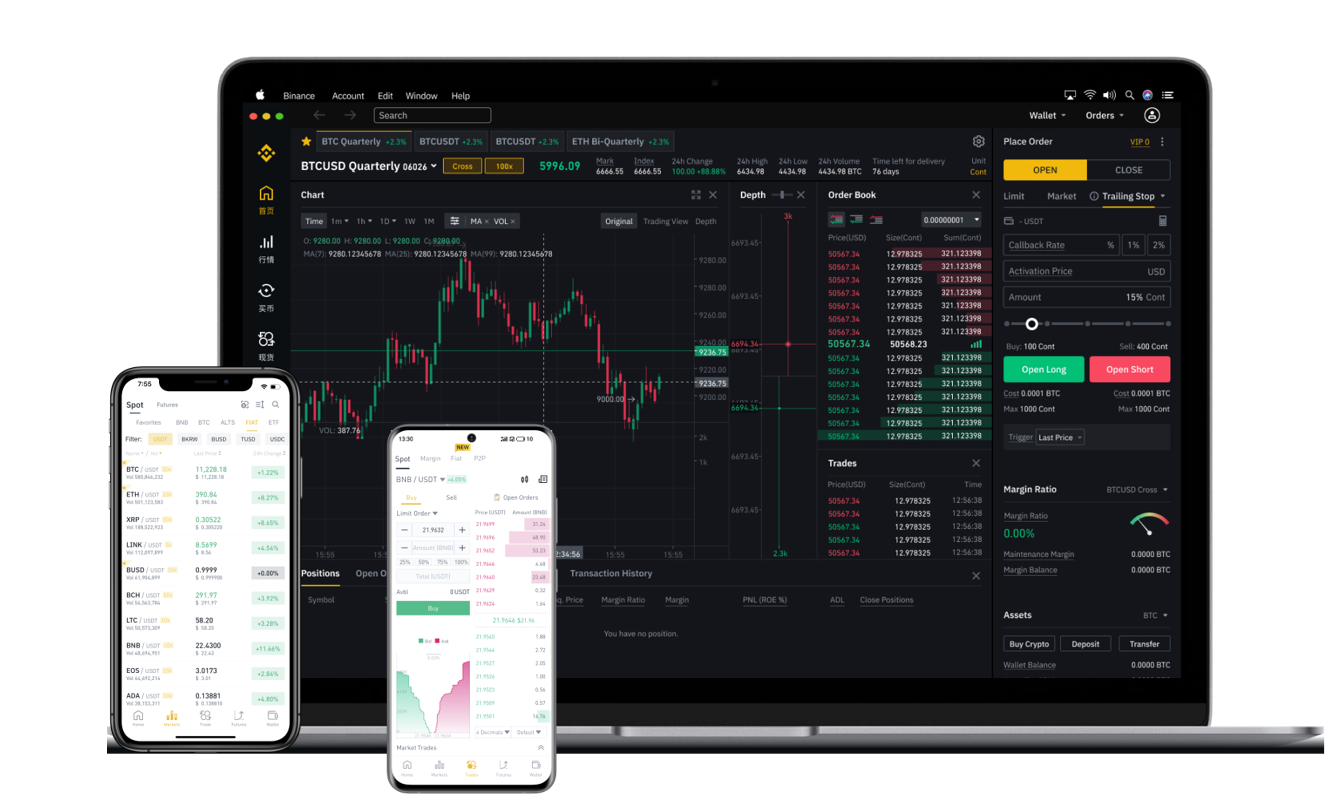
Step 2: Navigating to the Withdrawal Menu On the Binance interface, hover over the "Wallet" icon in the top right corner and select "Overview," then click "Withdraw." On Coinbase, go to "My Assets" and select the currency you wish to cash out, then click the "Send" or "Withdraw" button. On Kraken, navigate to "Funding" then "Withdraw" from the top menu. The layout differs slightly, but the logic remains consistent: you must select the asset you want to move.
Step 3: Entering the Withdrawal Address This is the most critical step. If you are withdrawing cryptocurrency, copy the receiving address (your personal wallet address or another exchange address) from the destination platform. Triple-check the address. A common mistake is sending a token on the wrong network. For example, sending Binance Coin (BNB) to a standard Ethereum address can result in permanent loss. Always select the correct network (e.g., BEP-20 for Binance, ERC-20 for Ethereum) that matches your recipient address.
Step 4: Withdrawing Fiat Currency To convert your crypto into traditional money, you will typically sell your assets for a stable coin like USDT or directly for USD, depending on your region. On Binance, you can use the "P2P Trading" feature to sell to a local buyer, or use "Bank Card Withdrawal" if you have a linked Visa card. On Coinbase, you can sell directly to your PayPal, Payoneer, or bank account. Kraken offers wire transfers and SEPA deposits for European users. The processing time for fiat withdrawals can take 1-5 business days, though crypto withdrawals are often processed within minutes.
Step 5: Transaction Fees and Limits Every exchange charges a fee for withdrawals, which varies by asset and network congestion. Binance often offers lower withdrawal fees for its native chain (BEP-20), while Ethereum (ERC-20) fees are typically higher. Coinbase and Kraken have transparent fee schedules listed on their support pages. Additionally, be aware of daily withdrawal limits. For unverified accounts on Binance, the limit is usually 0.06 BTC per day; verified accounts can withdraw significantly more.
Common Pitfalls to Avoid 1. Network Mismatch: Ensure the network you choose on the sender exchange matches the network of the receiving wallet. 2. Minimum Withdrawal Threshold: Each coin has a minimum amount for withdrawal (e.g., 0.001 ETH). Sending less than the minimum will result in a rejected transaction. 3. Memo/Tag Requirement: Some coins (like XRP, XLM, or BNB from certain chains) require a "Memo" or "Tag" number. Failing to include this will cause the funds to be lost or require costly manual retrieval by the exchange support team.
Conclusion Withdrawing from Binance and the other top three exchanges is a straightforward process once you understand the mechanics of address entry and network selection. Always start with a small test transaction before moving large sums. By following these security and accuracy protocols, you can confidently move your funds from the exchange to your personal custody or your bank account.