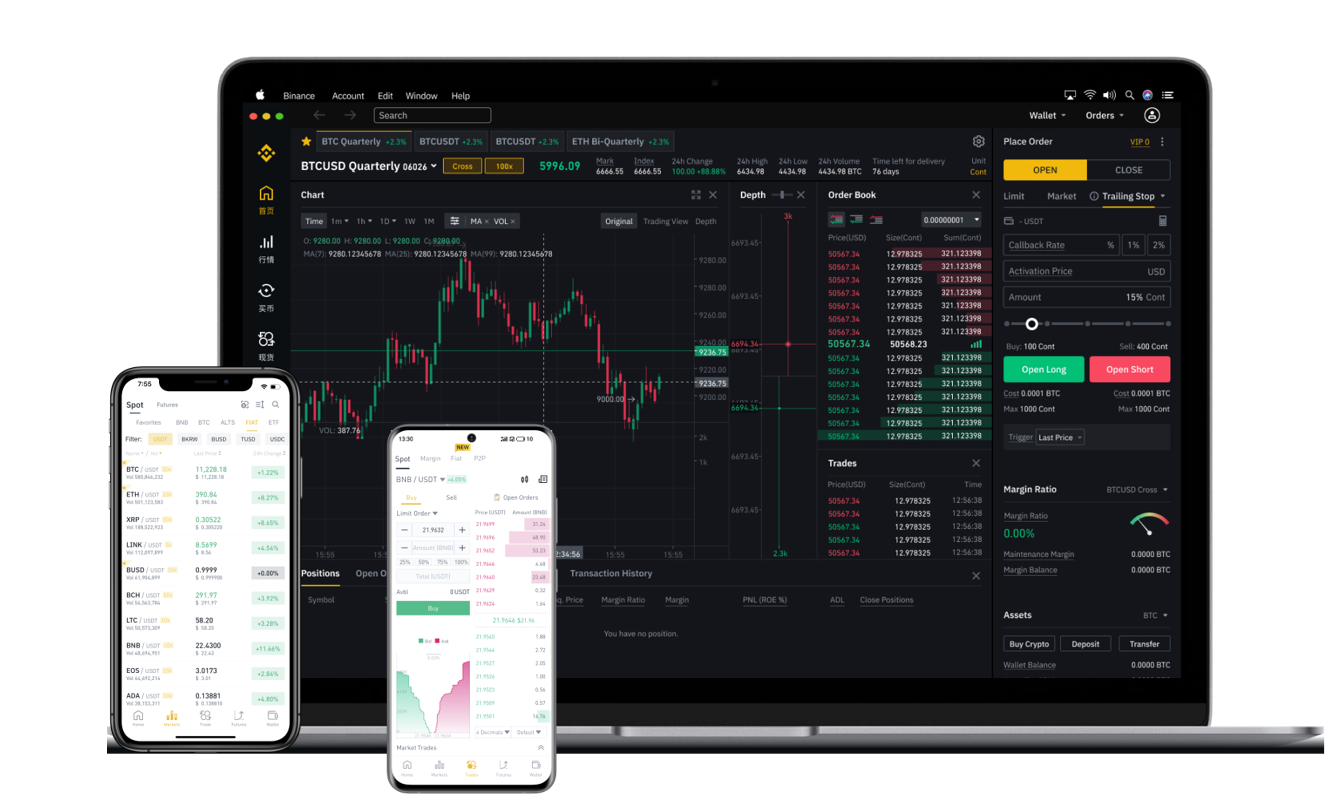

Withdrawing cryptocurrency or fiat currency from exchanges like Binance, Huobi, and other major platforms is a routine process, but it requires careful attention to security and procedural details. Whether you are moving assets to a private wallet or converting to cash, understanding the withdrawal workflow can help you avoid delays, extra fees, or lost funds.
First, log in to your exchange account and navigate to the "Wallet" or "Assets" section. Most platforms, including Binance and Huobi, have a dedicated "Withdraw" or "Withdrawal" button. Clicking this will present you with a list of supported cryptocurrencies or fiat currencies. Select the asset you want to withdraw, such as BTC, ETH, or USDT. Note that each asset has a specific network (e.g., ERC-20, BEP-20, TRC-20), and choosing the wrong network can result in permanent loss of funds. Always double-check the network compatibility with your receiving address.
For fiat withdrawals, the process differs slightly. On Binance, for example, you can withdraw to a bank account via SEPA, SWIFT, or other local transfer methods depending on your region. Huobi similarly offers bank transfers and other fiat gateways. These withdrawals usually require identity verification (KYC) to be completed, and processing times can range from a few hours to several business days. Additionally, minimum and maximum withdrawal limits apply, often based on your account verification level.
Security is paramount during any withdrawal. Exchanges like Binance and Huobi require two-factor authentication (2FA) to confirm the transaction. You may also need to enter a withdrawal PIN or confirm via email. Some platforms impose a 24-hour security hold for new withdrawal addresses or large amounts. To speed up future withdrawals, consider whitelisting your wallet addresses in the exchange settings—this ensures that funds can only be sent to pre-approved addresses, reducing the risk of address poisoning attacks.
Fees are another critical consideration. Each exchange applies its own withdrawal fee structure. For example, Binance charges a fixed fee per cryptocurrency withdrawal, which varies depending on the coin and network congestion. Huobi’s fees may differ slightly. Always check the fee displayed on the confirmation screen before finalizing. Some users prefer to withdraw stablecoins like USDT on cheaper networks (e.g., BEP-20 or TRC-20) to minimize costs. Remember that network fees are paid to blockchain validators, not just the exchange, so they fluctuate with network activity.
After initiating a withdrawal, a transaction ID (TXID) will be generated. You can track the status of your transaction using a blockchain explorer. If the withdrawal is stuck for an extended period, contact the exchange’s customer support with your TXID and relevant details. Both Binance and Huobi have support tickets and live chat options, though response times may vary during peak periods.
For users looking to withdraw large amounts, it is advisable to perform a small test transaction first. This minimizes potential losses in case of an address error. Also, be aware of regional restrictions: some exchanges limit withdrawals to certain countries or require additional documentation for high-value transfers. Always review the latest withdrawal policies on the exchange’s help page or announcement board.
In summary, withdrawing from Binance, Huobi, and similar exchanges involves selecting the correct asset and network, completing security checks, managing fees, and monitoring the blockchain for confirmation. By following these steps and staying informed about each platform’s specific rules, you can ensure your funds arrive safely and efficiently.