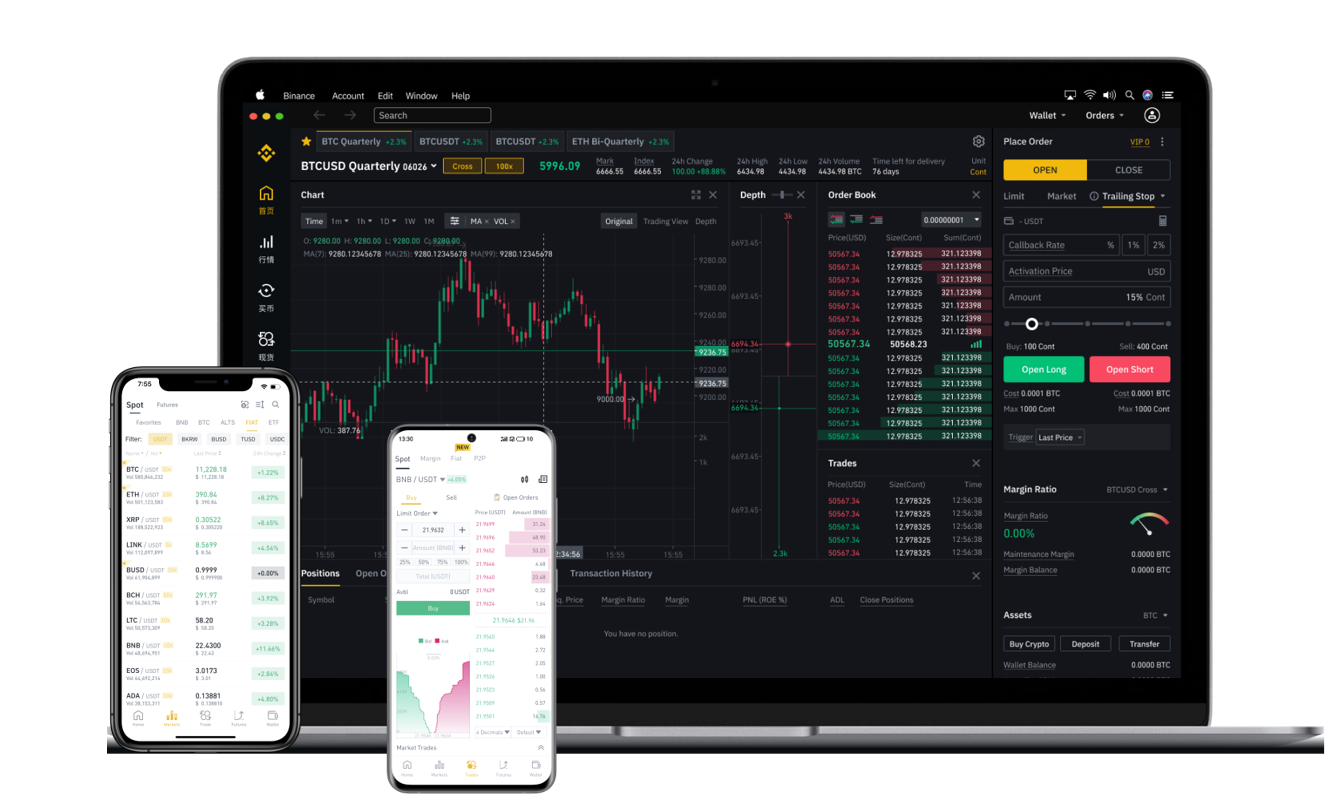

If you are searching for a career at the forefront of the cryptocurrency revolution, working at Binance is likely high on your radar. As the world’s largest cryptocurrency exchange by trading volume, Binance offers a unique working environment that blends high-stakes finance with cutting-edge blockchain technology. But what is it actually like to work there? This article breaks down the key aspects of being a Binance employee, from the intense pace to the remote-first culture.
First and foremost, the company culture at Binance is famously fast and demanding. The company operates on a “move fast and iterate” philosophy. Employees often face high expectations for productivity and the ability to handle rapid change. Unlike traditional banks or tech giants, Blockchain and Web3 are the primary focus, meaning that you will be expected to understand the nuances of crypto market cycles, DeFi (Decentralized Finance), and regulatory shifts.
The work environment is predominantly remote. Binance is a global company with no single headquarters, which means most roles are fully remote or distributed. This offers significant flexibility in terms of location and working hours, but it also requires a high degree of self-discipline, strong written communication skills, and the ability to collaborate across multiple time zones. You will likely work with colleagues from around the world, making cultural sensitivity a valuable asset.
Compensation packages at Binance are typically competitive and often include a significant portion of cryptocurrency or tokens. While the base salary is generally attractive, the potential for token bonuses can be volatile. On a good market day, these bonuses can be extremely lucrative; during a bear market, their value may drop. This "crypto-heavy" payment model aligns your personal financial success directly with the company’s performance, adding another layer of risk and reward to the job.
Career growth is another strong point. Because the company is constantly launching new products—from futures trading and NFTs to Binance Labs and the BNB Chain—employees often have the chance to pivot into new projects or take on more responsibility quickly. Hierarchies are relatively flat, and internal mobility is encouraged. However, this speed also means that job roles can change rapidly, and the lack of formal structure might be unsettling for some.
On the downside, working at Binance is not for everyone. The pace can lead to burnout. The company has faced intense regulatory scrutiny in various countries, which can create a high-stress environment for compliance and legal teams. Furthermore, the remote nature can feel isolating, and building strong team bonds requires extra effort compared to in-office setups.
In conclusion, working at Binance offers a thrilling, high-reward career for those who thrive in chaos and are passionate about crypto. It provides unparalleled exposure to the blockchain industry, competitive pay (often in crypto), and global remote flexibility. However, it demands resilience, adaptability, and a tolerance for risk. If you enjoy structured, predictable corporate environments, it may be a challenge. But if you want to be at the center of Web3 innovation and shape the future of finance, a job at Binance could be a career-defining move.