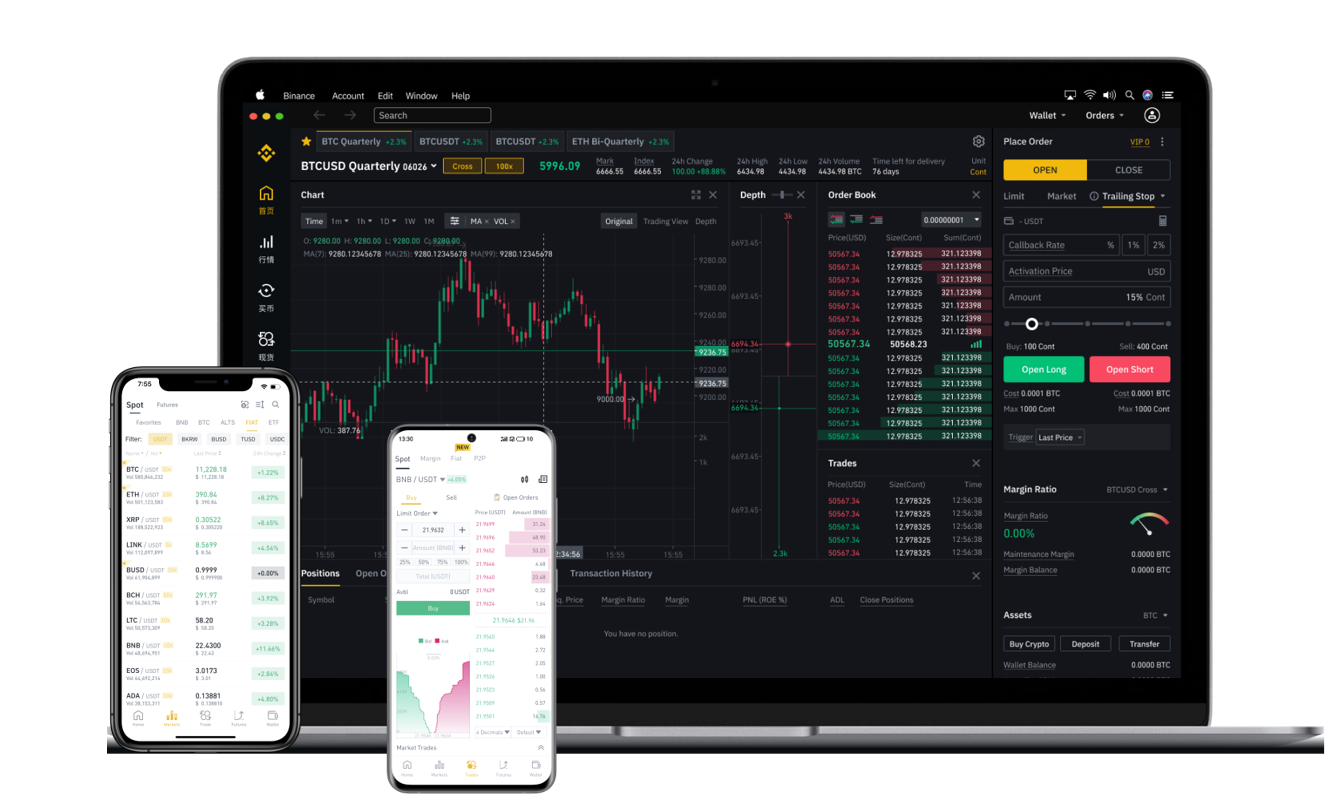

When the phrase "Binance top exchange" appears in a search query, most crypto traders are already familiar with the name. Binance has long been the dominant force in the cryptocurrency exchange market, handling billions in daily trading volume. But as the crypto landscape evolves, traders often ask: is Binance still the best, or have challengers overtaken it?
To answer that, we need to look at a few key areas: liquidity, security, fees, and the range of available assets. Binance consistently ranks as the top exchange by spot trading volume. This high liquidity means that traders can execute large orders without major price slippage, a critical factor for both retail and institutional investors. For any serious trader, this liquidity advantage alone justifies the reputation of being a "top" exchange.
Another major factor is the sheer number of cryptocurrencies supported. Binance lists hundreds of trading pairs, from blue-chip assets like Bitcoin and Ethereum to emerging altcoins and meme coins. This vast selection allows users to diversify their portfolios without needing multiple accounts on different platforms. Additionally, Binance offers a low trading fee structure, starting at 0.1% for spot trades and further reduced if you hold the exchange’s native token, BNB.
Security, however, is a topic of constant scrutiny. Binance has experienced security breaches in the past, but it has since invested heavily in insurance funds and cold storage systems. The introduction of the Secure Asset Fund for Users (SAFU) was a direct response to past incidents, and it currently holds over a billion dollars in reserve. While no platform is immune to risks, Binance's proactive approach gives it an edge over many smaller exchanges.
On the innovation front, Binance continues to expand beyond simple trading. The platform now offers futures, options, staking, lending, and even an NFT marketplace. This ecosystem approach means that users can trade, earn passive income, and invest in new projects—all under one roof. For users who want a one-stop-shop, this integration is extremely valuable.
That said, the landscape has shifted in recent years. Regulatory challenges in multiple countries have forced Binance to adjust its operations. Some users have reported difficulties with compliance checks and withdrawal limits in certain jurisdictions. For traders in the United States, for example, the separate Binance.US platform offers fewer coins and has had occasional banking issues. This geographic limitation is a real downside for users who expected the same global experience.
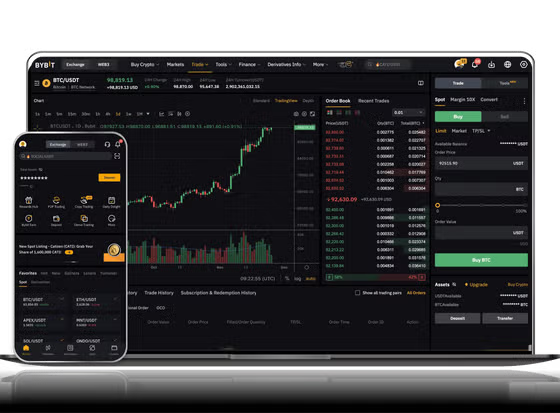
So, how does Binance compare to other top exchanges like Coinbase, OKX, or Bybit? Coinbase wins on regulatory clarity and user-friendliness for beginners, but it charges higher fees. OKX offers similar features and strong derivatives trading, while Bybit focuses heavily on perpetual contracts. For an all-around exchange that balances low fees, high liquidity, and a vast selection of coins, Binance still holds the crown. However, for users in regulated markets, local alternatives might be more practical.
In conclusion, Binance remains a top-tier crypto exchange in 2025, especially for experienced traders who prioritize liquidity and asset variety. Its security measures and constant innovation keep it ahead of most competitors. But if you face regulatory restrictions or prefer a simpler interface, you might find better value elsewhere. Ultimately, "Binance top exchange" is not just a keyword—it describes a platform that has earned its position, but one that requires user awareness of its evolving legal and operational landscape.